The Complete Storm Restoration Process Explained
Quick Answer
From the initial emergency tarping call to the final municipal building inspection, restoring a home after a massive Iowa hail storm is a complex, multi-week operation.
Homeowners generally believe replacing a storm-damaged roof is exactly like hiring a plumber to fix a sink: you call them, they do the work the next day, and you pay the bill.
Reality is radically different. A full exterior restoration following a major weather event involves coordinating city code enforcement, mortgage company escrow departments, massive multi-ton material deliveries, and ruthless insurance claims adjusters. Understanding this timeline is the key to preventing immense frustration.
1. The Emergency Mitigation Phase (Days 1–3)
- The Immediate Threat: Your first priority is stopping water from destroying the drywall and insulation. This involves hiring an elite contractor to safely secure industrial tarps to the roof decking ("mitigation"). Your insurance policy legally requires this step.
- The Forensic Inspection: Once the home is watertight, the exterior contractor deploys drones or physically climbs the roof to meticulously photograph all collateral damage (dented gutters, torn siding, shattered windows).
2. The Adjuster & Funding Phase (Days 3–14)
You must formally file the insurance claim. The carrier will dispatch an adjuster to verify the damage. If you have partnered with a competent local contractor, they will physically meet the adjuster on the roof to ensure everything is documented aggressively and fairly using Xactimate software.
The Escrow Headache:
Once the claim is approved, the insurance company mails the initial Actual Cash Value (ACV) check. If you have a mortgage, the check is legally made out to both you AND the bank. You cannot simply cash it. You must overnight the check to the mortgage company's Loss Draft department, where they stamp it, verify your contractor's legitimacy, and legally endorse it before returning it to you—a process that easily consumes two weeks.
3. The Construction Phase (Days 14–45)
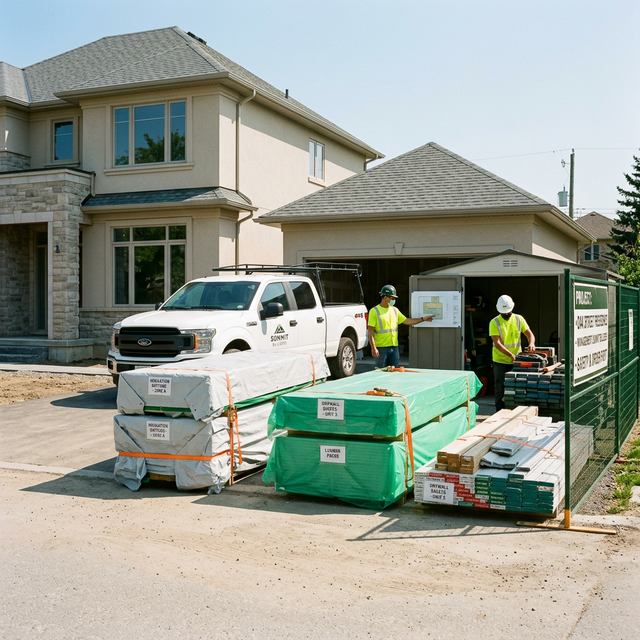
Once the first ACV check is finally deposited, you sign the formal work authorization. The contractor orders the materials (which usually takes 3-7 days for standard colors). A massive semi-truck delivers the shingles using a hydraulic boom crane (a "roof drop").
The actual tearing off of the old roof and installing the new one generally happens in exactly one frantic, extremely loud day (sometimes two days for massive, steep customized roofs).
4. The Final Code Inspection & Payment Phase (Days 45+)
The crew leaves, and the magnetic sweeper clears the nails from your driveway. You are not done. Before the final payment is released, the city's building inspector must arrive to verify the newly installed roof explicitly complies with Central Iowa's strict ice-and-water barrier municipal building codes.
Once the roof formally passes the city inspection, the local contractor sends the final invoice to your insurance company. The insurance company then releases the remaining withheld funds (the Recoverable Depreciation check) directly to you so you can make the final payment to the contractor.